Journal
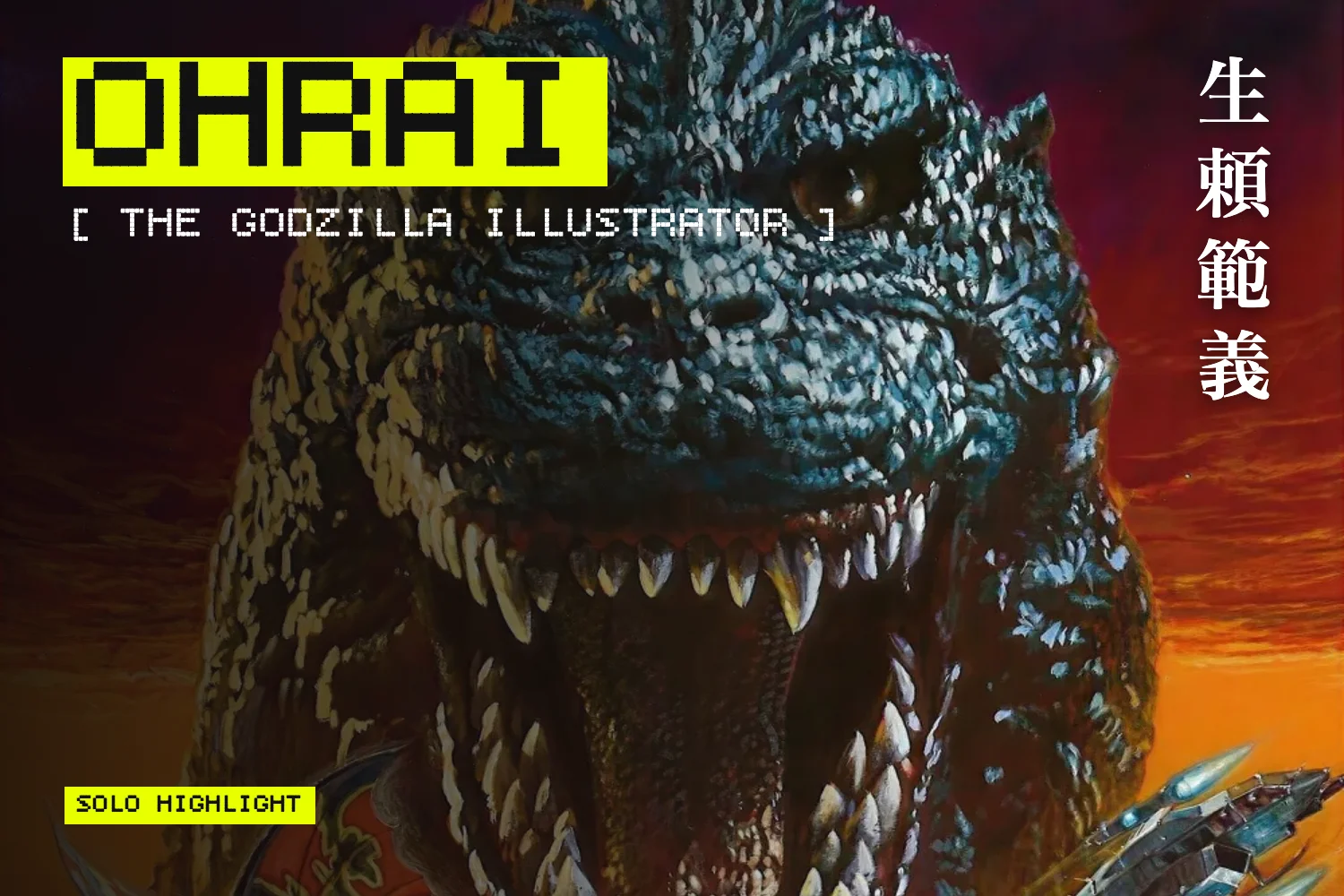
If you picture Godzilla mid-roar, lit from below, with smoke, fire and lightning boiling behind him, you are probably picturing a Noriyoshi Ohrai painting. He painted the posters for nearly every Godzilla film of the Heisei era, and to me they are still the best monster art ever made.
Who he was
Ohrai (生頼範義) was born in Akashi, Hyogo, in 1935. He studied painting at Tokyo University of the Arts, left in 1957, and spent the next few years scraping by: his first show in Ginza in 1960 didn't sell a single painting. In 1962 he joined an advertising agency, and from there he built a career as an illustrator.
In 1973 he moved to Miyazaki, a quiet coastal prefecture on Japan's southern island of Kyushu, and stayed there for the rest of his life. Working from there, he painted over 1,300 book and magazine covers, including Kazumasa Hirai's Wolf Guy and Genma Taisen, and the Japanese editions of E. E. Smith's Lensman.
Godzilla
Toho brought him in for The Return of Godzilla in 1984, the film that rebooted the series. He went on to paint the posters for Godzilla vs. Biollante (1989), King Ghidorah (1991), Mothra (1992), Mechagodzilla II (1993), SpaceGodzilla (1994) and Destoroyah (1995), then returned for Godzilla vs. Megaguirus (2000) and Godzilla: Final Wars (2004). Most of this work was uncredited.
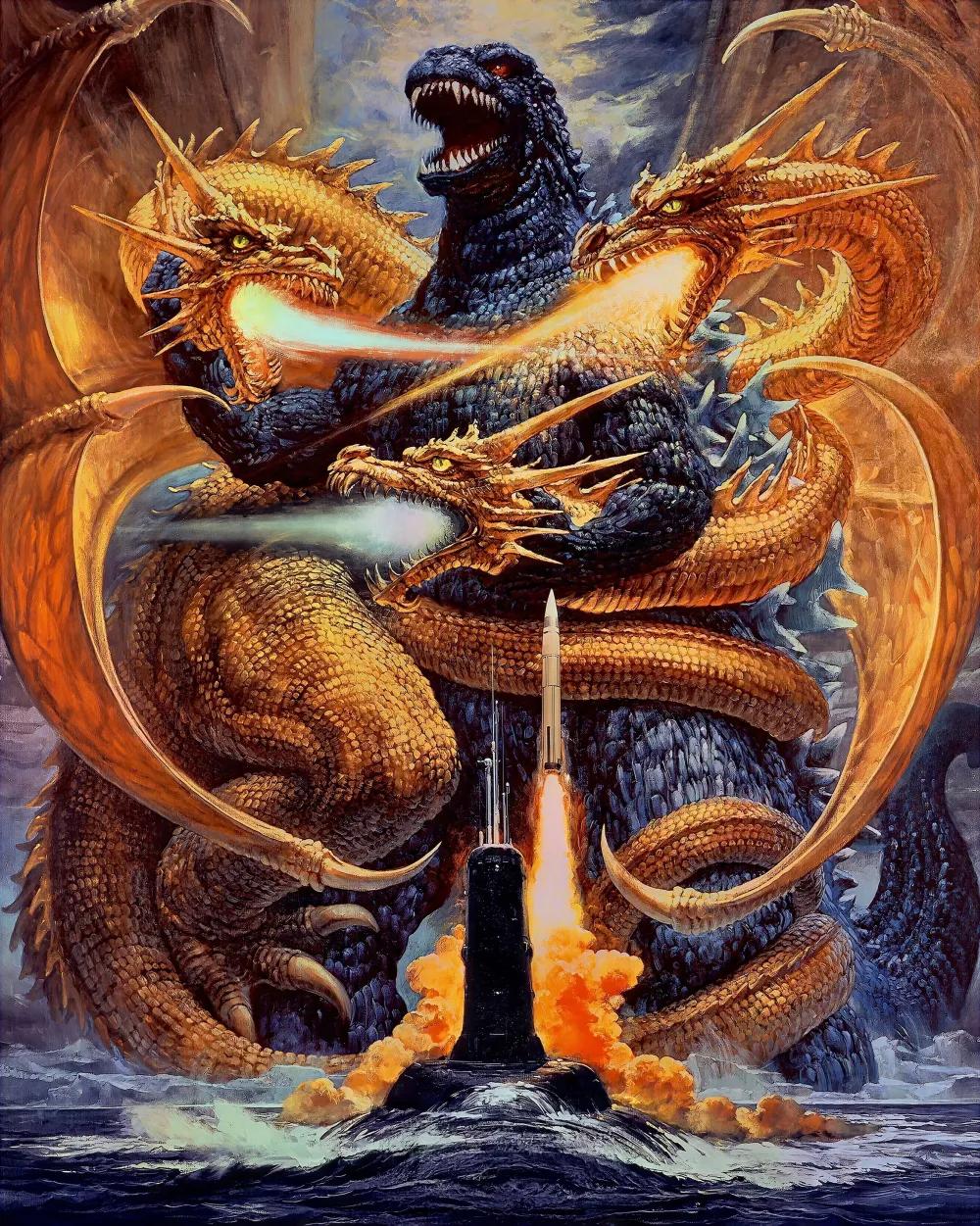 1/14
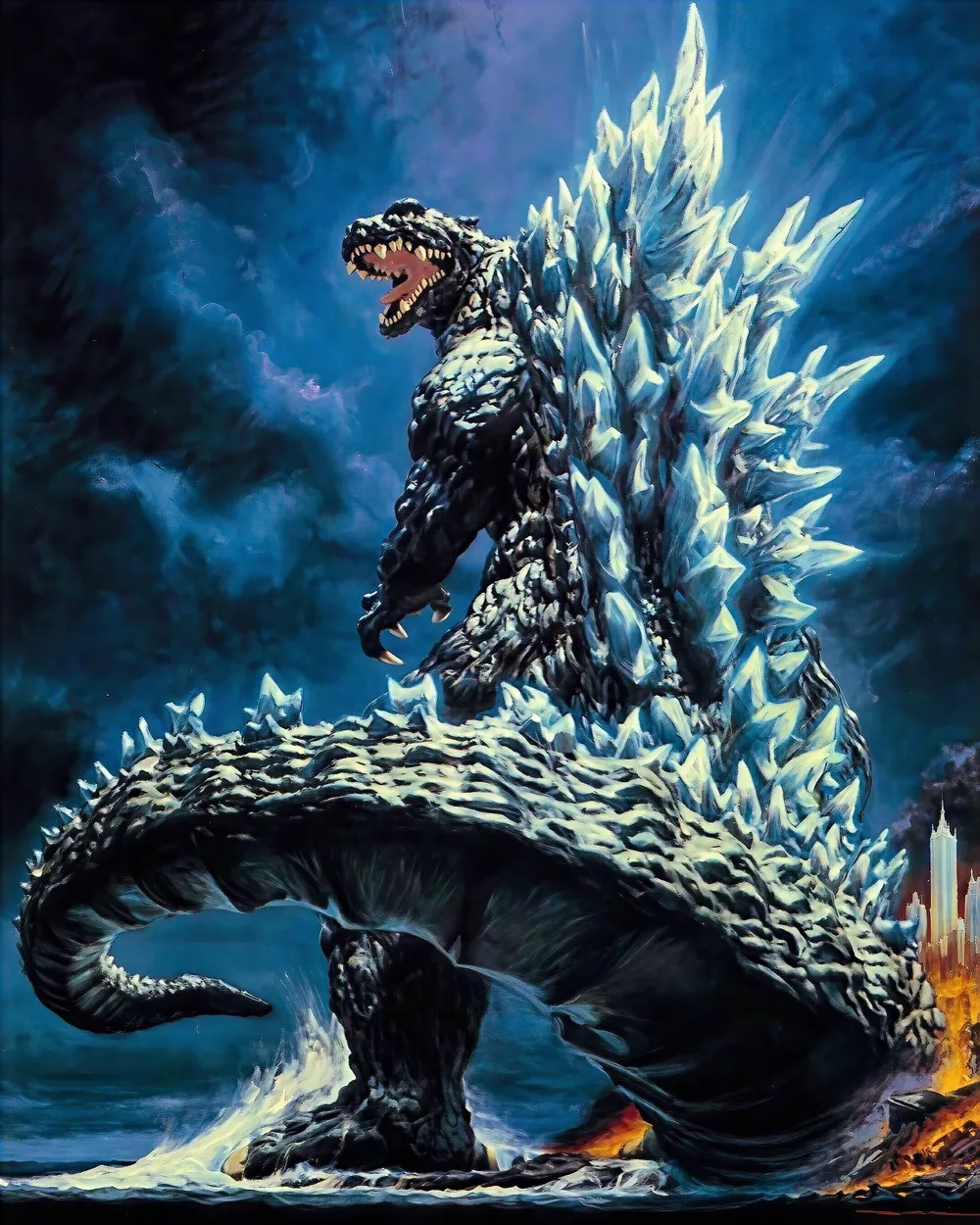
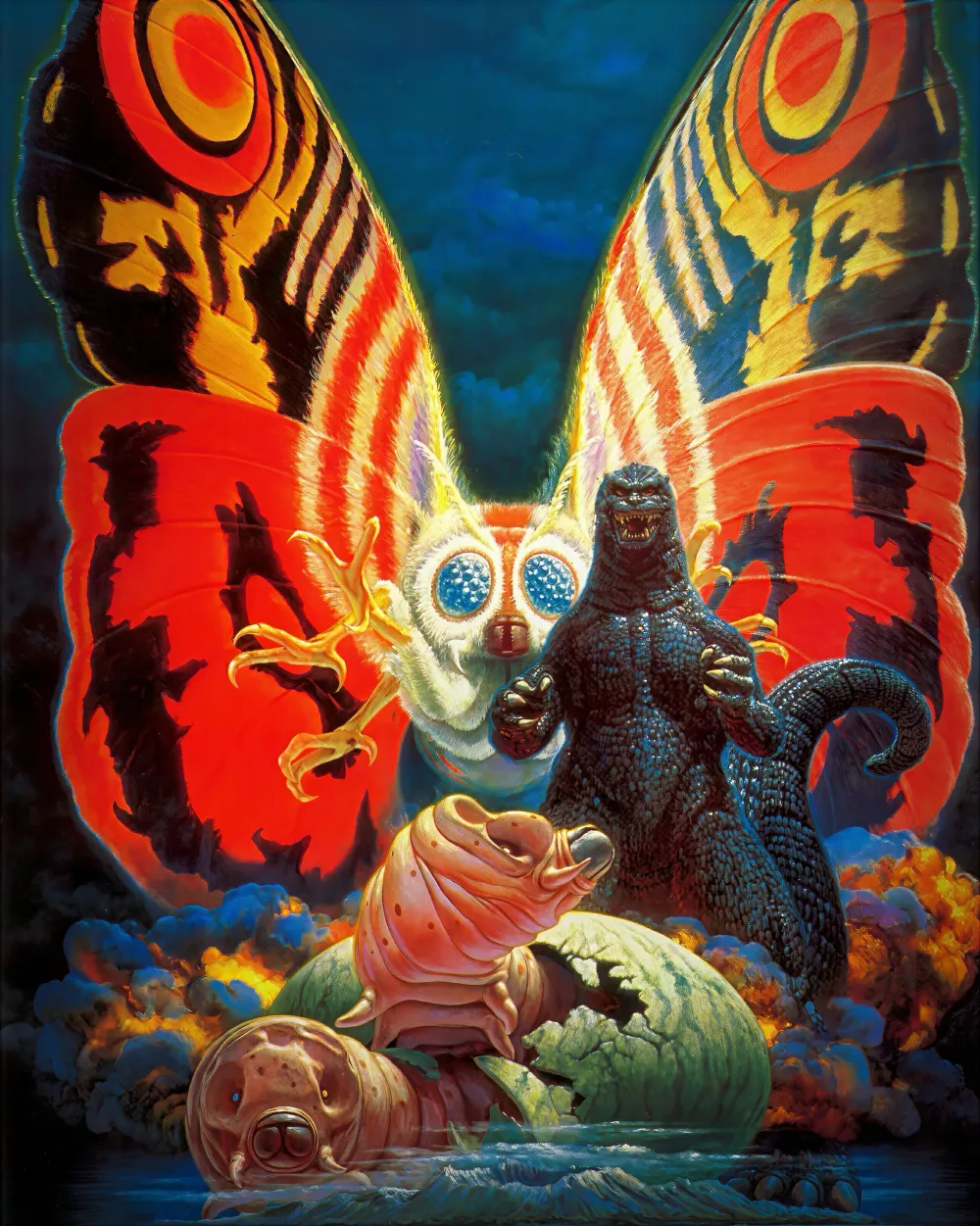
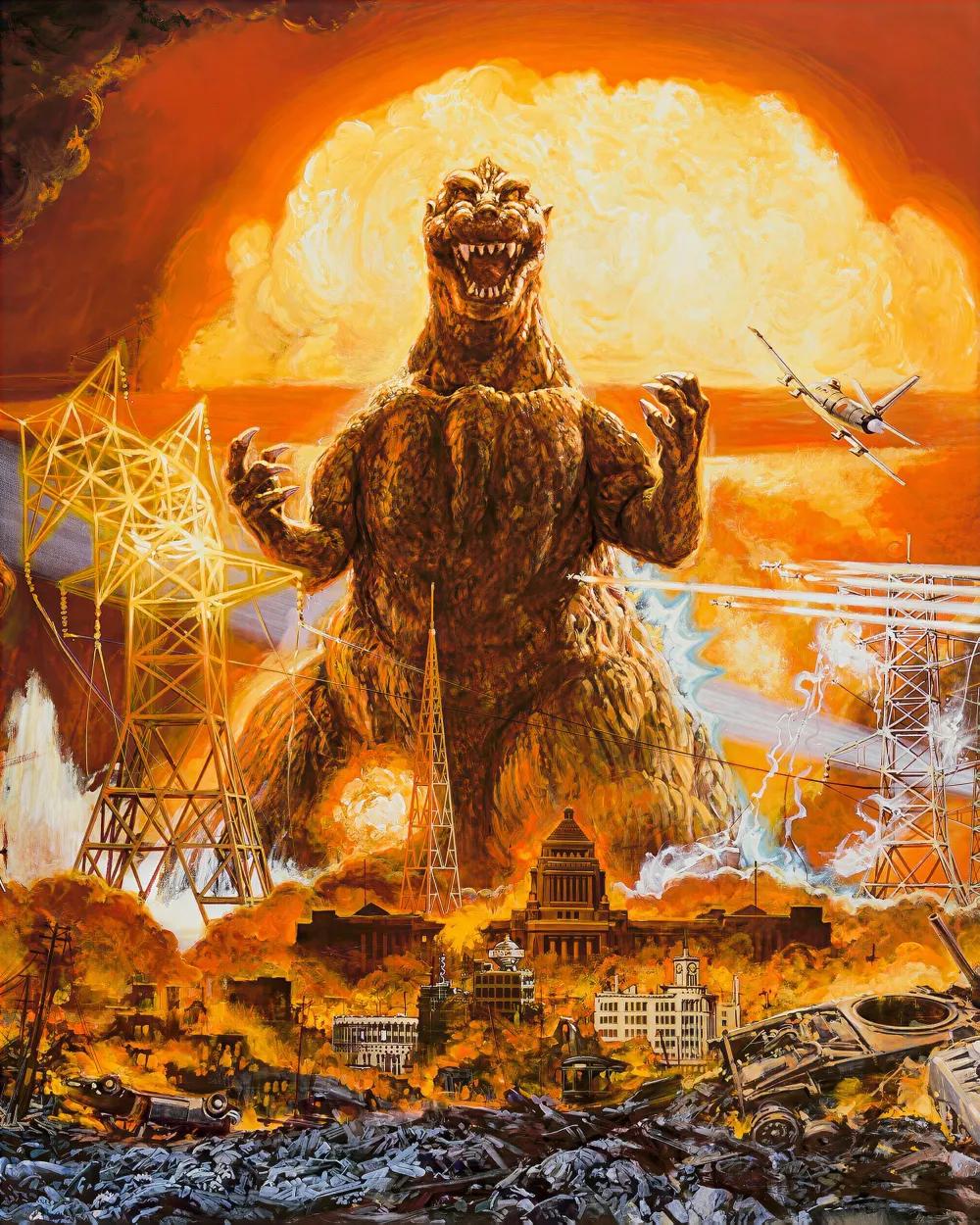
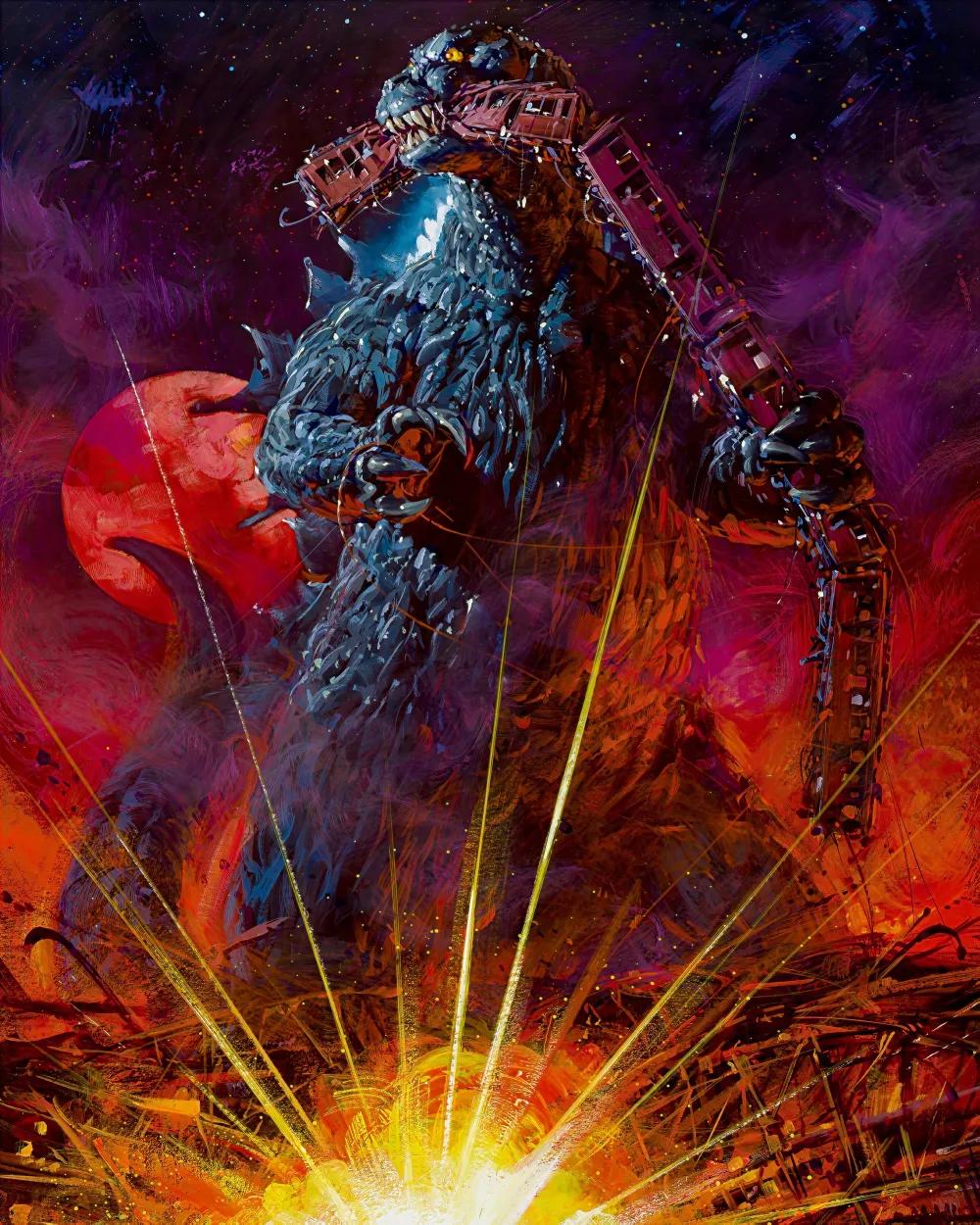
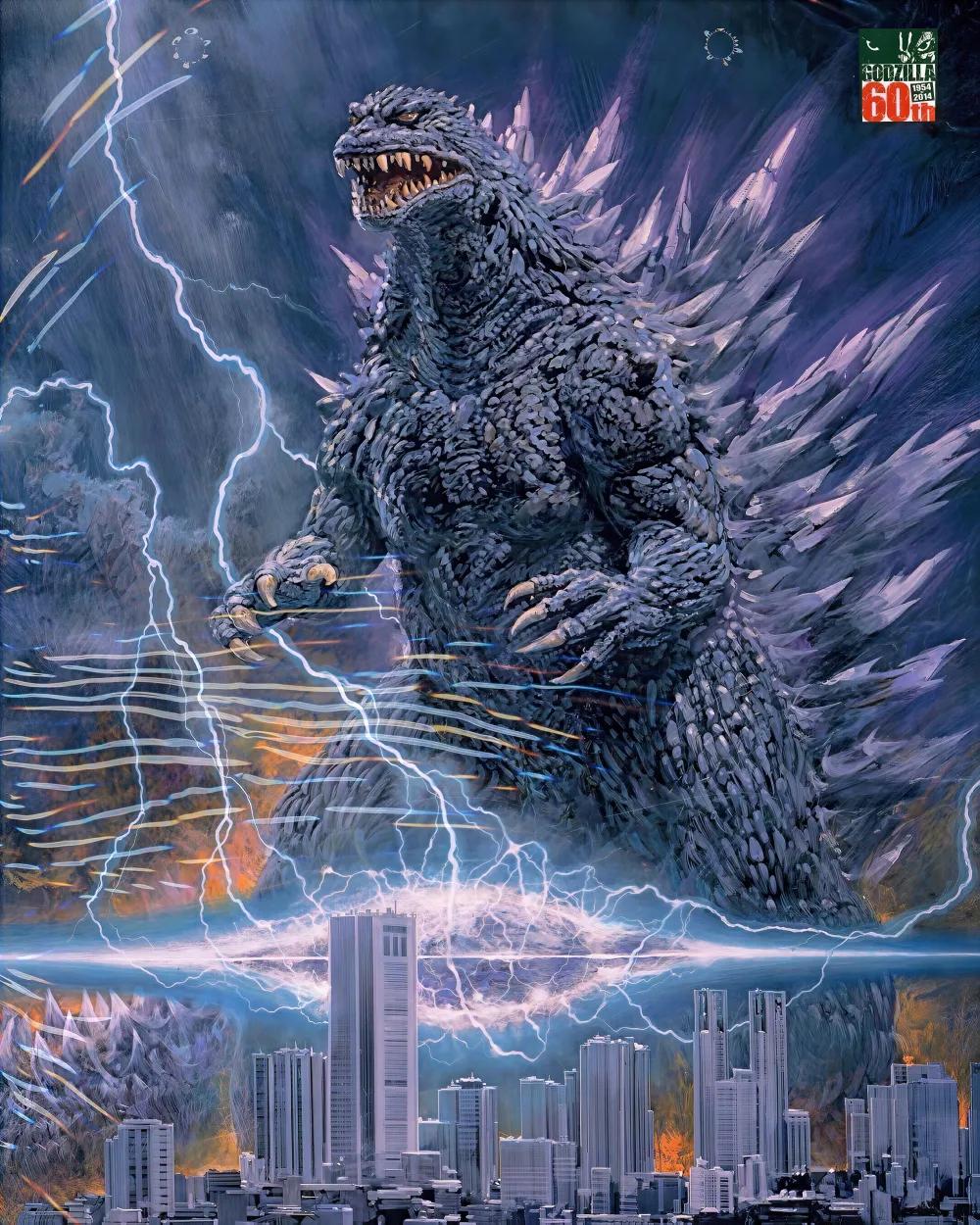
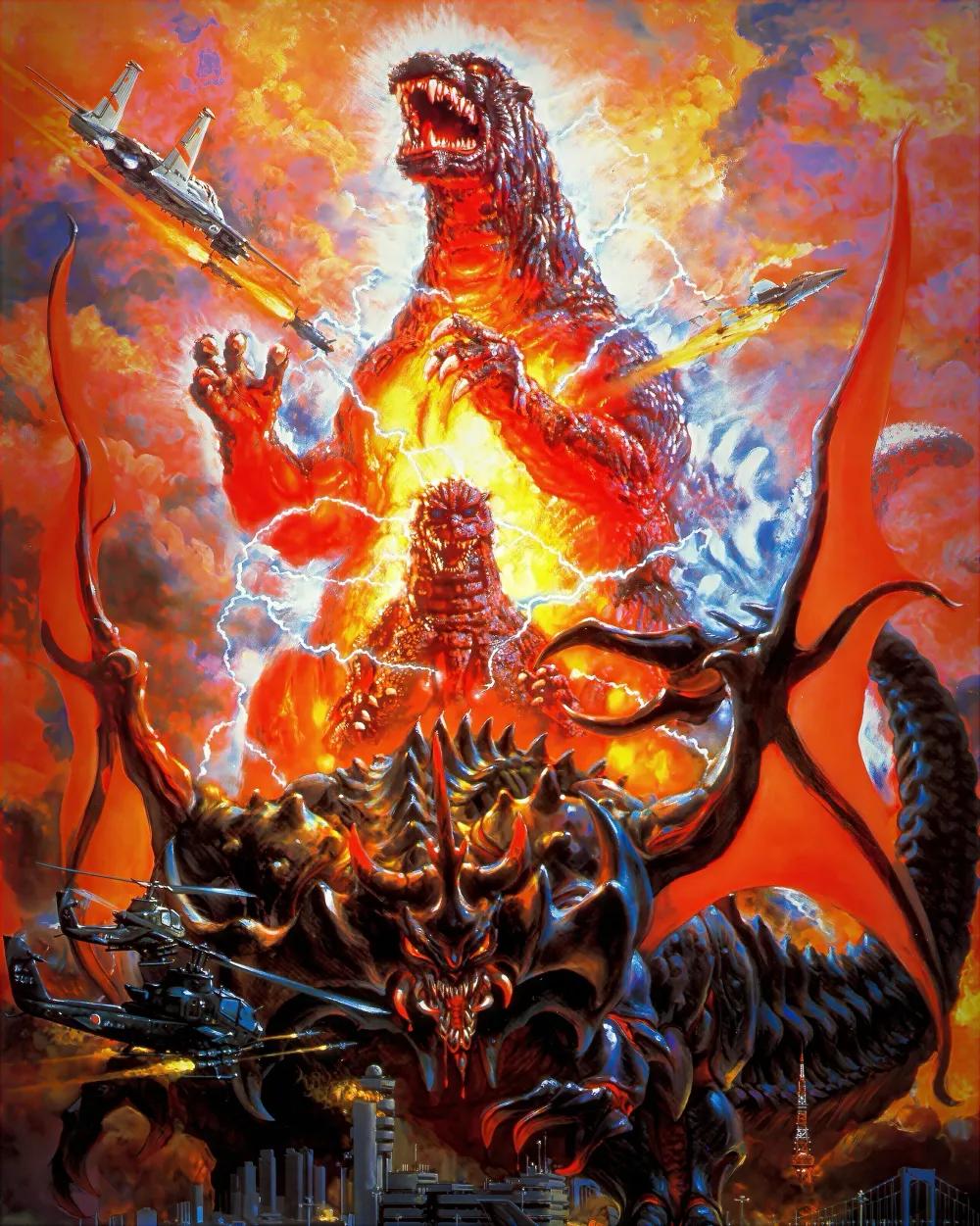
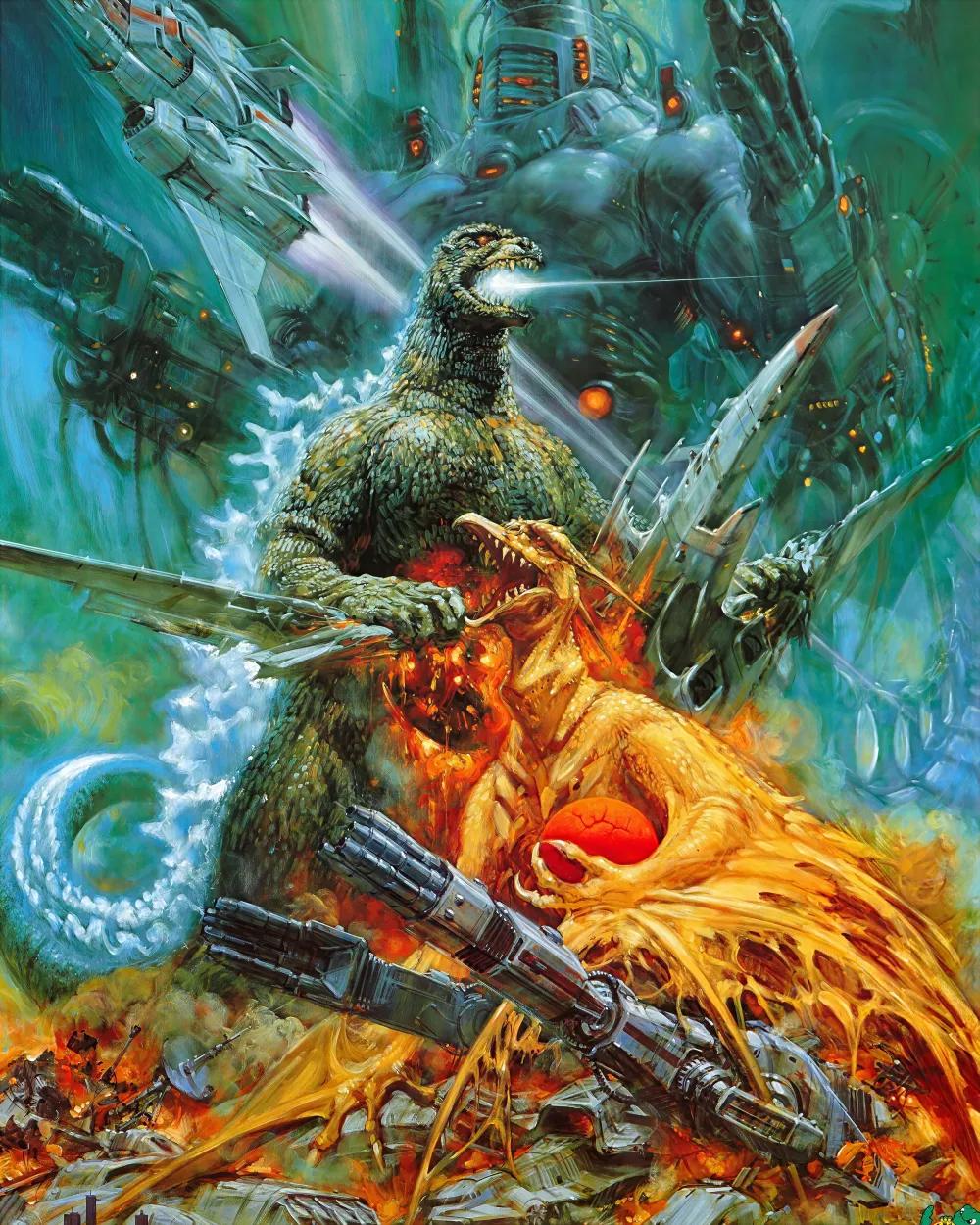
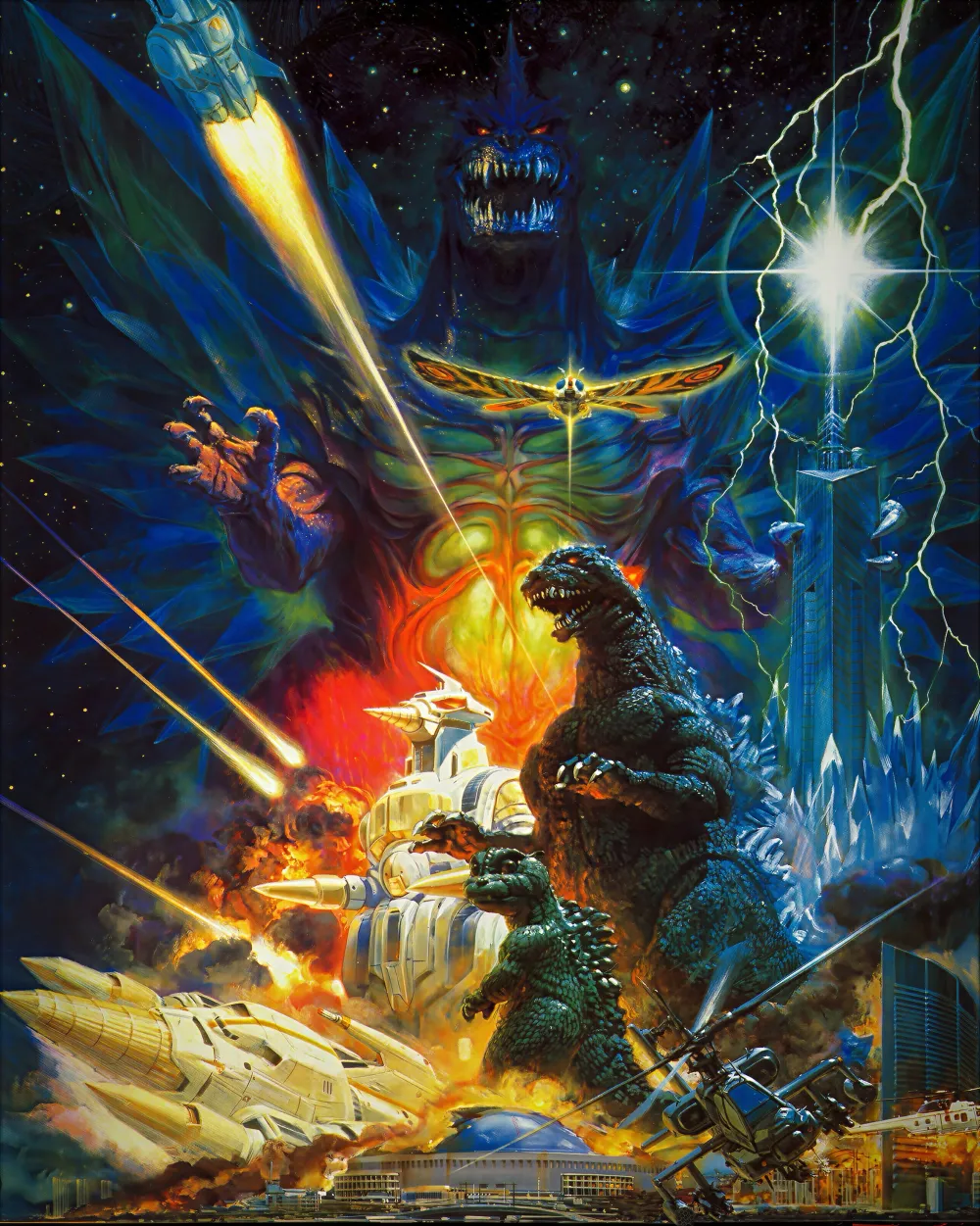
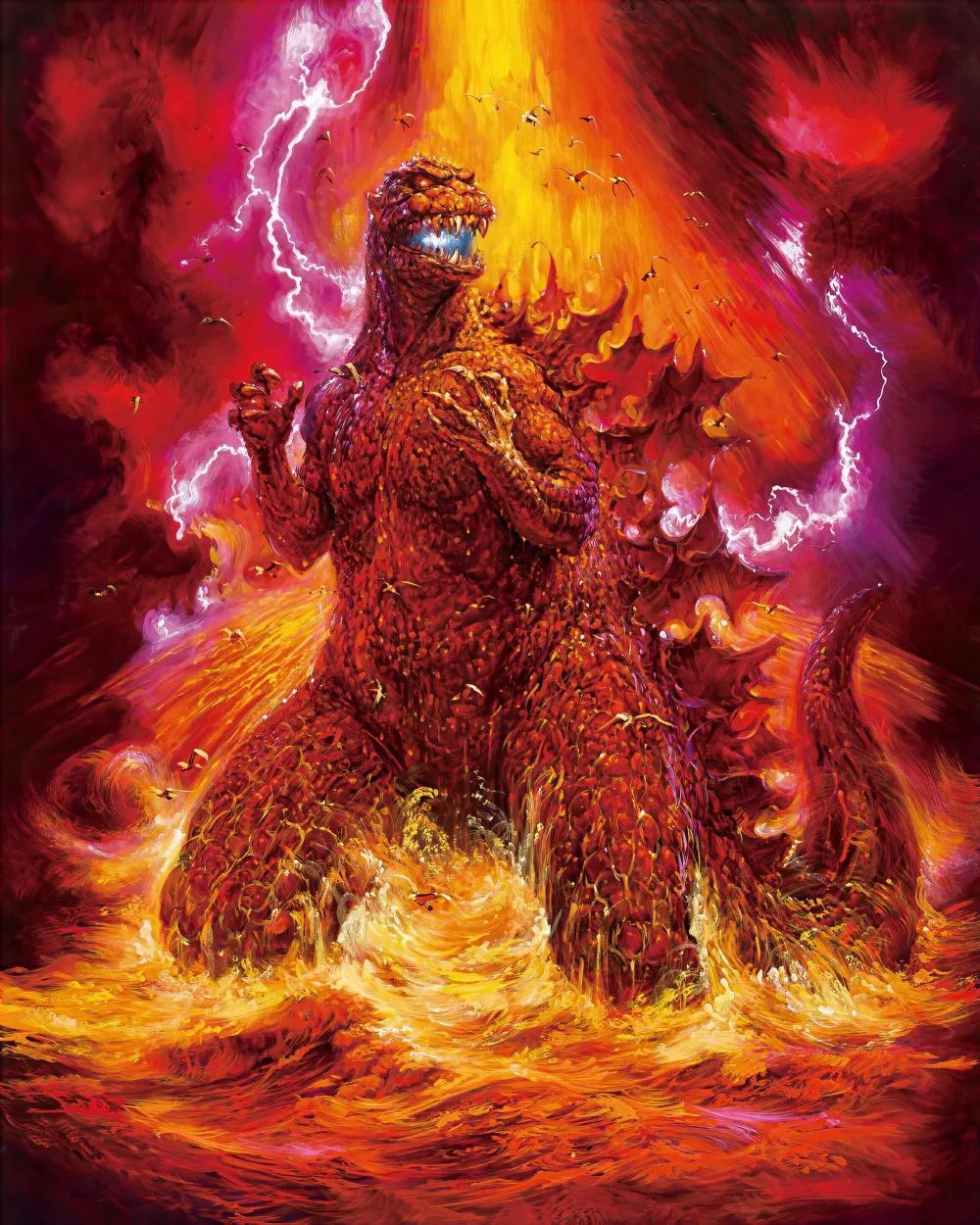
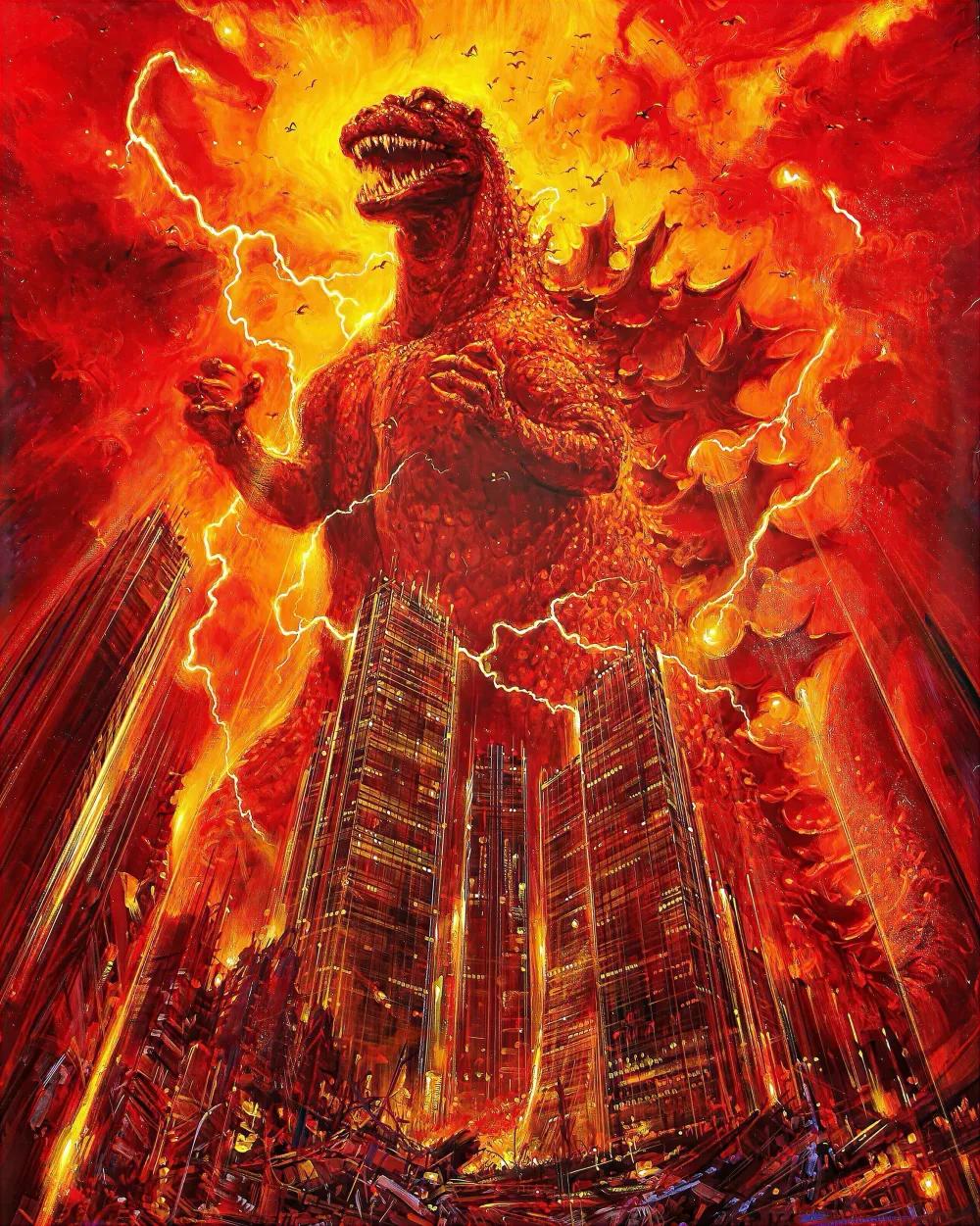
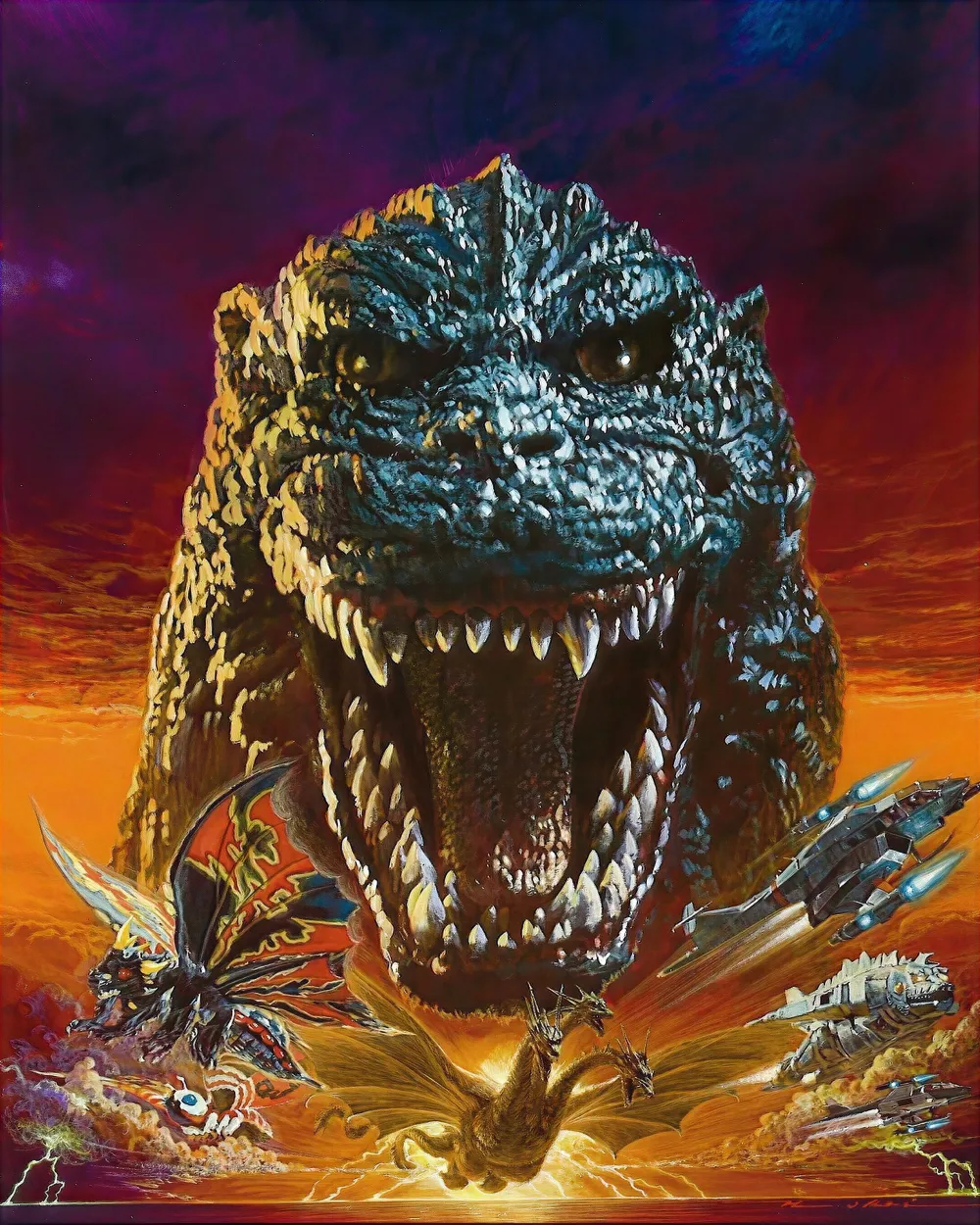
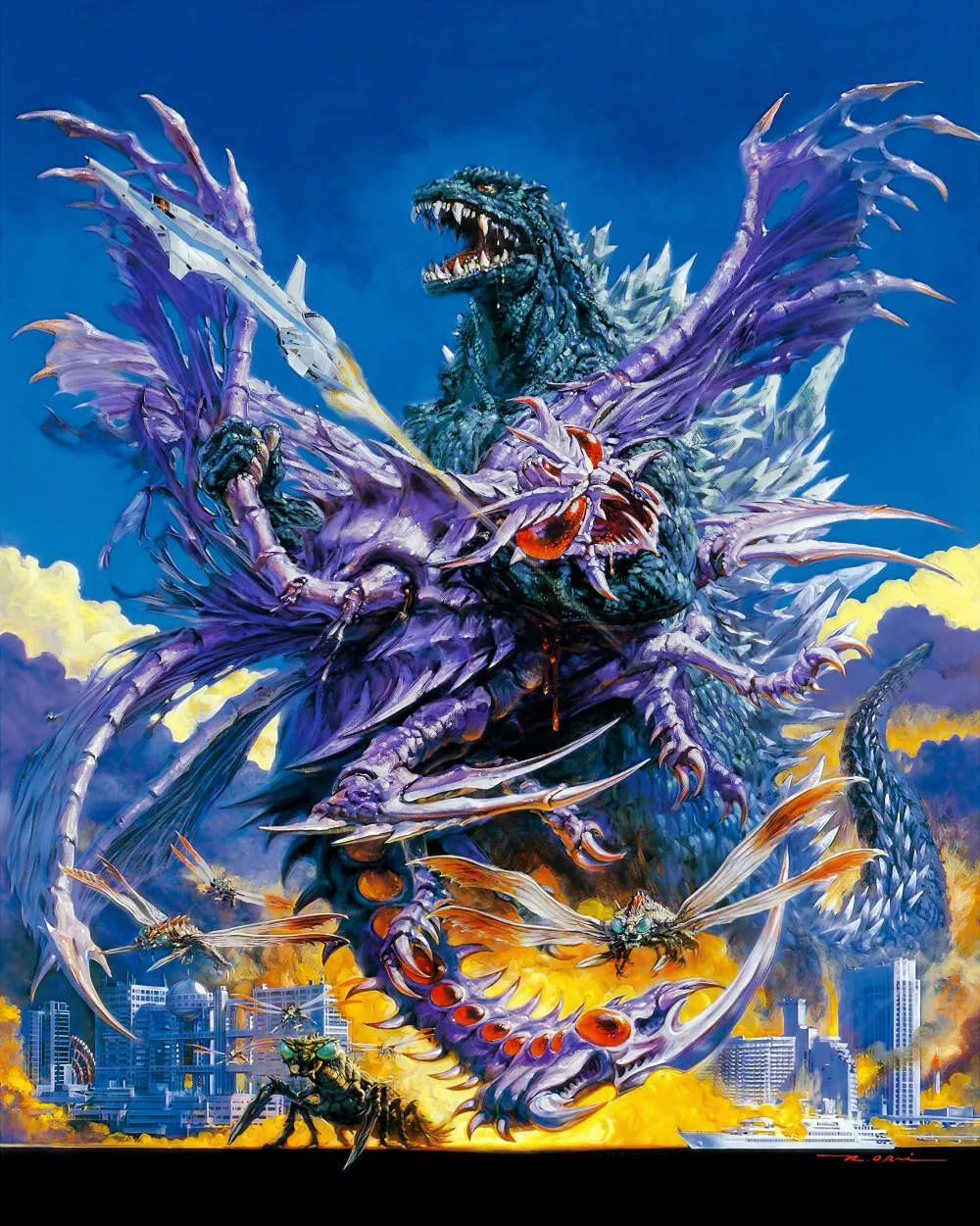
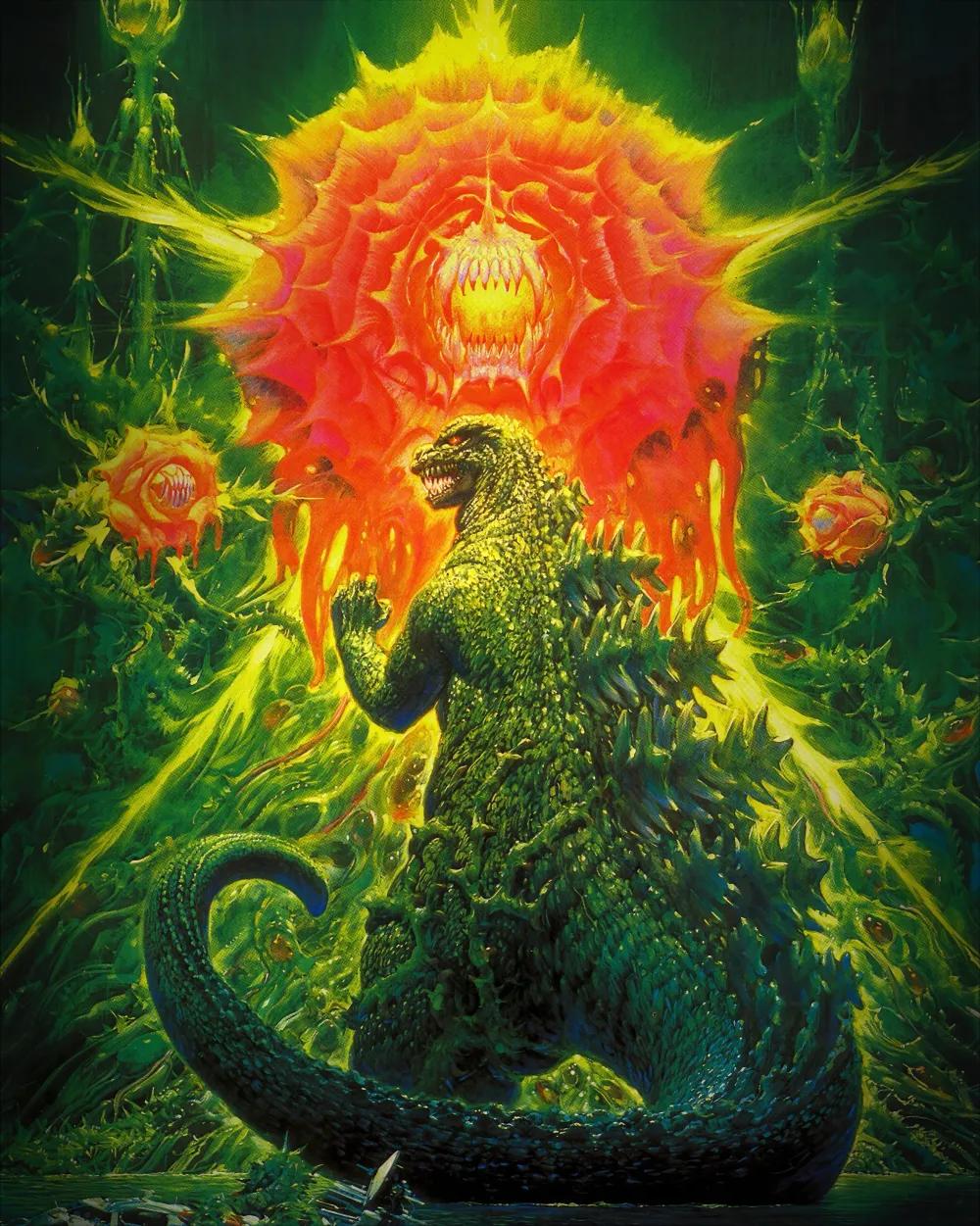
What makes them work is scale. Godzilla is never just standing there: he is crashing through a city at night, wrapped in his own atomic breath, with the other monster spiralling around him. Everything is painted by hand, with a glow and depth that photo and CGI posters never quite matched.
Beyond Godzilla
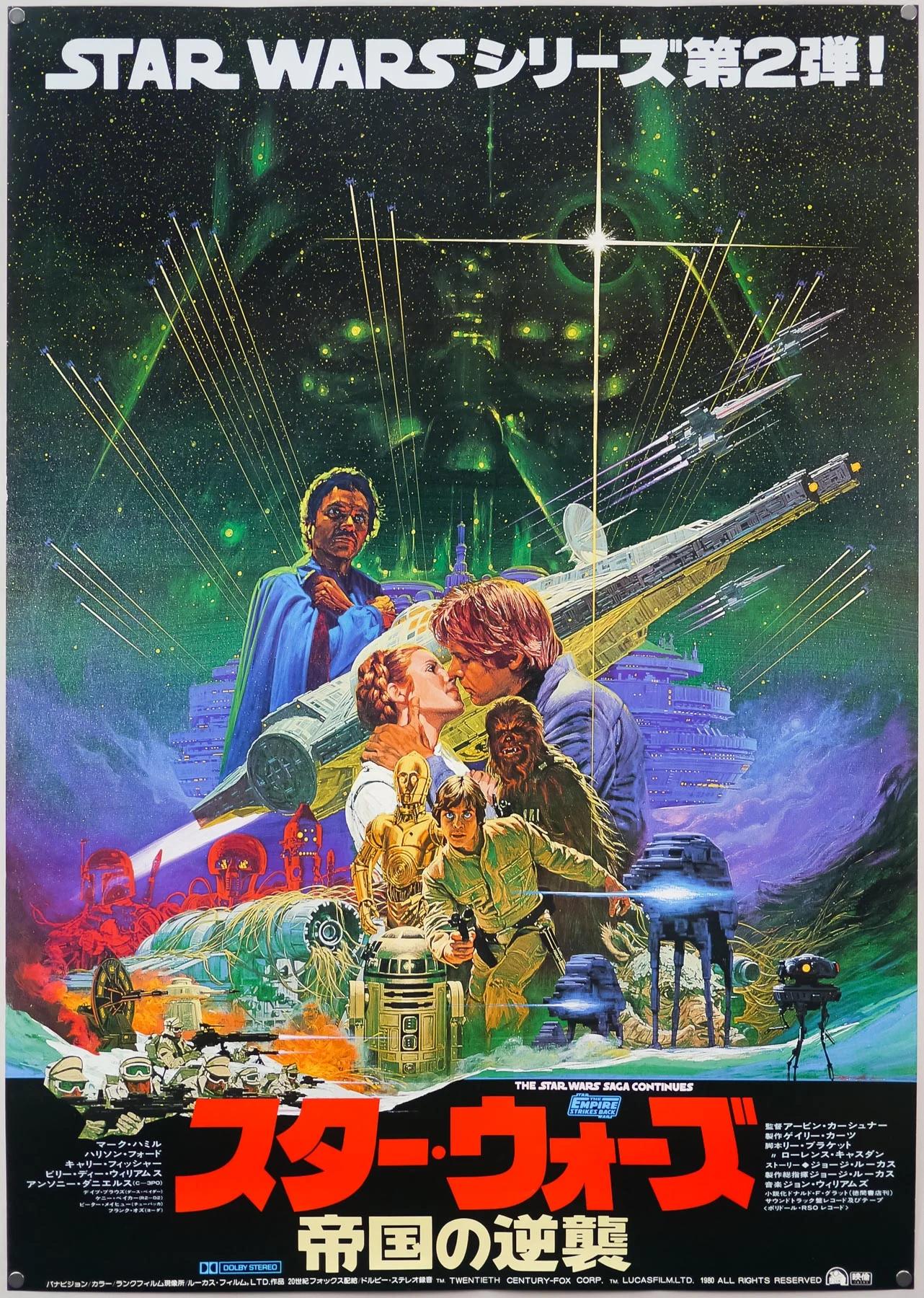
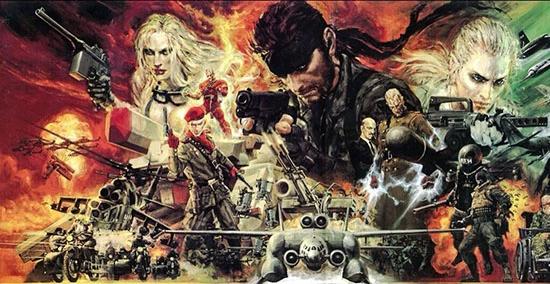
In 1980 George Lucas saw Ohrai's Star Wars illustrations in a Tokuma Shoten book and asked him to paint the international poster for The Empire Strikes Back. It won him the Seiun Award that year. Later he painted the premium-edition package art for Konami's Metal Gear Solid 2, 3 and Portable Ops.
His legacy
Ohrai stopped painting after a stroke in 2011. In his last years, the prefecture he had called home for four decades honored him with its culture prize, and his work was finally gathered into books and shown in exhibitions there.
He died on October 27, 2015, at 79. The films gave Godzilla a body, but Ohrai gave him his power. Decades later, his paintings are still what Godzilla is supposed to feel like.
All artwork © its respective rights holders, shown here as a tribute. Painting scans in the carousel and banner: hidden.ny's Ohrai post on Instagram. Sources: Wikipedia, Wikizilla, Film on Paper (Empire Strikes Back poster scan), Video Game Densetsu (Metal Gear art).